Jago Grahak Jago

Edit Template

The Aware Consumer

Why Health Insurance Claims Are Rejected

“You think you’re covered — wait until your insurer says no.” Health insurance is sold as a risk cover and a safety net, but for countless policyholders the real shock comes not from the illness, but from the rejection letter of the health insurance company. In India, insurers proudly advertise claim settlement ratios above 90%, which is Rs 1.89 Crores claims settled through Cashless mode for an amount of Rs. 62537 Crores, 58% by volume and 66% by value are settled by Cashless mode. This was reported in the year 2024-25, the insurance companies have settled 3.26 Crore Claims for an amount of Rs. 94248 Crores. Yet I have observed thousands of families land up with shock after their claims are rejected. The truth is sobering: most denials aren’t random. They stem from avoidable mistakes, overlooked fine print, or procedural lapses. Quick Facts  Claim Settlement Ratio (India, 2024): ~93% Average Claim Size: ₹1.5–2 lakh Ombudsman Relief Rate: ~40% in favour of policyholders Top 3 rejection causes: Non‑disclosure, waiting period, documentation errors The most recent development is our traditional healthcare treatments, which is also covered under the health insurance coverage, without any exclusion and treatment parity. Today Ayush treatment is at par with Allopathy treatment in India, which is an unique feature in our country. Of course, the awareness about such facilities are lacking and the Ministry of Ayush, Government of India has established a Helpline 1800110008 to facilitate the Ayush Hospitals and patients to derive all the benefits, without any discrimination. Let me share with you the most common reasons behind claim rejection — and illustrating them with real‑world examples — policyholders can learn how to protect themselves and ensure their coverage works when it matters most. 10 Common Pitfalls & How to Avoid Them 1. Non‑Disclosure of Pre‑Existing Conditions Health insurance thrives on transparency. Yet one of the most common — and costly — mistakes policyholders make is failing to disclose pre‑existing medical conditions due to mis selling adopted by the agents. Concealing issues like diabetes, hypertension, or past surgeries may seem harmless at the time of purchase, but insurers treat it as misrepresentation. “What you hide today can come back to haunt you tomorrow.” Case in Point:  A 45‑year‑old in Delhi underwent bypass surgery. His claim was rejected outright when the insurer discovered he had not disclosed his long‑standing hypertension. The company argued the surgery was directly linked to the undisclosed condition. Lesson: Always disclose your medical history honestly, even if it means paying a higher premium. The short‑term cost is far better than the long‑term shock of a rejected claim. 2. Claims During Waiting Period Health insurance policies don’t always provide instant protection. Most impose waiting periods for certain illnesses, treatments, or pre‑existing conditions. Maternity benefits may require two to four years, while pre‑existing conditions often demand two to three years before coverage kicks in. “Buying late means waiting longer.” Case in Point:  A young couple in Lucknow filed a claim for maternity expenses within one year of purchasing their policy. The insurer rejected it, citing the two‑year waiting period clause. Lesson: Plan coverage early. Buy health insurance well before you anticipate medical needs, so the waiting clock runs out before you need to file a claim. 3. Treatment Not Covered (Policy Exclusions) Every health insurance policy comes with exclusions — treatments or conditions that simply aren’t covered. Cosmetic surgery, dental procedures, infertility treatments, and certain alternative therapies often fall outside the safety net. Many policyholders discover this only when their claim is denied. “The fine print decides your fate.” Case in Point:  A patient in Mumbai underwent bariatric surgery to address obesity. When he filed a claim, the insurer rejected it outright, pointing to the exclusion clause that ruled out weight‑loss procedures. Lesson: Never assume all treatments are covered. Read the exclusions carefully before purchase and consider add‑on riders if you anticipate specific medical needs. 4. Incomplete or Incorrect Documentation Health insurance claims live and die by paperwork. Hospital bills, discharge summaries, prescriptions, and diagnostic reports must all align perfectly. Even small errors — a misspelled name, mismatched dates, or missing signatures — can derail an otherwise genuine claim. “One wrong line on paper can cost lakhs.” Case in Point: A claim in Ghaziabad was rejected because the discharge summary listed the wrong patient’s name. Despite the treatment being genuine, the mismatch raised red flags and the insurer refused to settle. Lesson: Double‑check every document before submission. Keep both digital and physical copies and ensure hospital staff issue correctly filled records. Accuracy is your strongest ally in claim approval. 5. Delayed Intimation to Insurer Health insurance isn’t just about treatment — it’s about procedure. One of the most overlooked requirements is prompt intimation to the insurer or TPA. Most policies demand that hospitalization be reported within 24 hours. Delay in communication, even in genuine emergencies, can give insurers grounds to reject a claim. “A stitch in time – saves nine.” Case in Point: A family in Jaipur informed their insurer only after discharge. Despite the hospitalization being genuine, the claim was denied because the policy required intimation within 24 hours of admission. Lesson: Always notify your insurer or TPA immediately when hospitalization occurs. A quick phone call or online intimation can save you from unnecessary rejection. 6. Treatment at Non‑Network Hospitals Cashless claims are a major convenience — but they only work at hospitals within the insurer’s approved network. Opting for treatment at a non‑network hospital often means paying upfront and struggling later with reimbursement, which may be delayed or even denied. However, the insurance regulator IRDAI has now directed all the health insurance companies through a master circular that all claims need to be Cashless and approvals given within a stipulated time, which was missing earlier. Even non-network hospitals are bound to provide Cashless treatment for health insurance policy holders. To my surprise, data has revealed that 50% of the hospitals in our country do not want to entertain health insurance policyholders and are

Why Health Insurance Claims Are Rejected Read More »

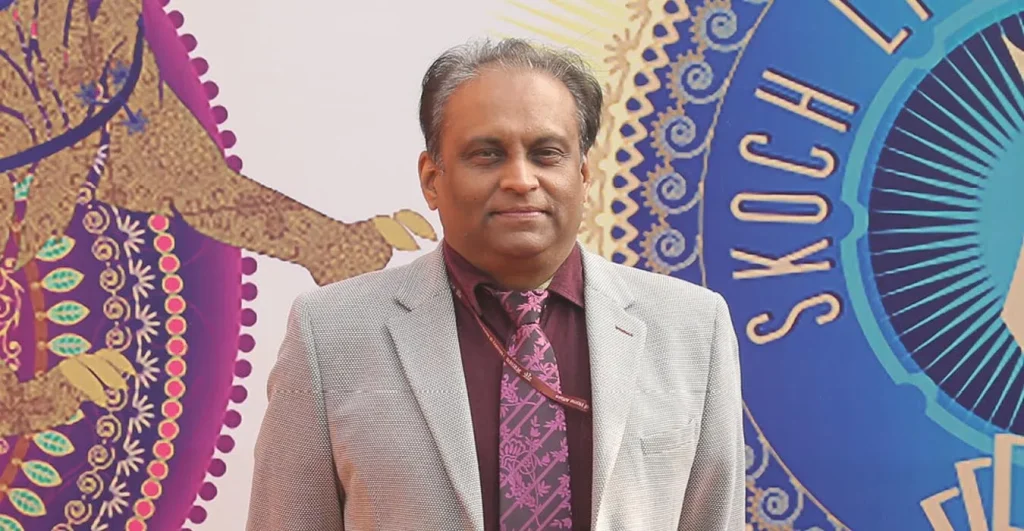
INTERVIEW : ASOK KUMAR G

ASOK KUMAR G, IAS Retd Former Joint Secretary, Ministry of Civil Aviation, Govt of India, Former Chief Vigilance Officer, Airports Authority of India Mr Asok Kumar belongs to the 1991 batch IAS, Telangana Cadre. He retired as Special Secretary & Director General, National Mission for Clean Ganga. He has held several other important positions such as Additional Secretary and Mission Director, National Water Mission, Ministry of Jal Shakti; Director in the Ministry of Power, in GoI; Vice Chairman, Hyderabad Urban Development Authority, Principal Secretary, Housing etc. in Govt of AP/Telangana. During his tenure in the Ministry of Civil Aviation, he set-up the Aircraft Accidents Investigation Bureau (AAIB). He was in the Board of Directors of Air India and Pawan Hans and also played a key role in drafting the National Civil Aviation Policy, reviving the then ailing airline industry and aviation in general. While in NWM, he started the successful water conservation campaign, 'Catch The Rain' and is popularly known as the 'Rain Man of India'. Q. Was the IndiGo meltdown an unforeseeable crisis or a result of regulatory gaps? I feel that it was indeed a preventable, foreseeable crisis which got amplified by regulatory and systemic gaps and over-confidence of the airlines concerned. When any system is stretched to its extreme limits, leaving no slack or buffer to absorb any unforeseen exigencies, it is bound to snap one day. Indigo's much touted super-efficient model with more than 100% utilization of its resources like (wo)men and material, without caring for their stress fatigue or rest, to achieve high-load factor and tight turnaround time was a ticking time-bomb bound to explode one day. Am quite surprised why DGCA, as a regulator, failed to see it coming, when the signs of the imminent shock were patent all over. December month of any year has fog issues in many cities, which can cause cancellations and disruptions in mornings, particularly in Delhi. A disruption in any sector from Delhi has a cascading effect on the entire day's schedule. Over ambitious, very tight schedules with no slack is a sure recipe for a potential disaster. (SpiceJet almost collapsed on 15 December 2014, but scraped through with a proactive MoCA's help.) Though the FDTL notification was issued many months ahead, it is difficult to understand why DGCA was not following up for its implementation. It should have insisted on an implementation action plan from airlines and monitored it. If monitored properly, it could have red flagged the slackness in its implementation. DGCA, like most of the regulators in India, preferred to have a reactive than a proactive, preventive oversight. They were also lulled into inaction by the big market dominance of Indigo and not-so effective or enforced consumer rights protection norms, poor consumer awareness and less powerful/active air traveller's forums. As a regulator, DGCA should use forward-looking resilience metrics like minimum spare aircraft ratios or crew reserve requirements for realistic slot allocations while approving new schedules, instead of blindly incentivizing any scheduled airlines' breakneck expansion plans, without providing for buffers to absorb any unexpected shocks. Leading airlines of the world generally build resilience into everyday operations – not just efficiency, while Indigo was, I would say, obsessed and prided on its lean inventory model. Their model stressed on maximum utilization of its resources for maximized efficiency for maximizing its profits, conscious of its dominance in the sector, leading to a why-we-care-for- customers attitude. There are many predictive analysis tools available, which can do what-if risk analysis to simulate situations arising from sudden shortage of aircraft or crew or other exigencies and help be ready with a Plan B to counter, whenever it happens. DGCA should use these technological solutions while approving tight schedules. DGCA should also keep consumer rights protection and basic facilities of the passengers in mind while dealing with the profit-motivated private aircraft and airport operators. The Indigo meltdown was due to a complex concoction of overzealous/over bearing/profit motive driven Indigo management and the patent regulatory gaps of DGCA, the regulator. Q. What lessons should non-aviation regulators – banking, insurance, food, telecom – take from the IndiGo episode? The IndiGo episode offers many lessons to regulators in sectors like banking, insurance, food, telecom, power etc. Any model that stresses on overstretched efficiency, without buffers or slackness to absorb shocks, is prone to crash some time. Indigo's model of ultra tight ambitious schedules and over 100% utilization of men and material resources to maximize profit worked most of the time, but when an unexpected stress came it, there was a complete meltdown. Regulators in telecom and power sector face this often. If the systems are designed to carry normal load only, when there is a sudden surge in demand, the systems collapse. In telecom sector, when there is greater need for bandwidth availability, say at times of national emergency or disaster or when results of popular exams come out, etc., we have experienced severe disruptions. In power sector, in peak winter or summer, spikes in power requirement have led to disruptions. Regulators in the food sector should ensure adequate buffer in local warehouses to handle unexpected demand surges due to national calamities or war or logistic shocks like disruption in movement. Just-in-time inventory management is good for maximizing the profits, but can cause catastrophes in an event of disruption. The crisis during Covid period or during natural disasters or the 26/11 attack are some examples. Supply chain crisis can lead to economic downfall or even regime changes, as we are seeing now. Regulators in insurance and banking sectors have to be aware of the need of buffer liquidity availability to help out during disaster periods. Remember the disruptions during the notebandi due inadequate stocks in ATMs. Q. We should appreciate that adequate buffer is an insurance not inefficiency! Sometimes, firms can be legally compliant, but operationally brittle. For example, in banking sector, banks may be meeting capital ratios but may have concentrated funding sources or non-diverse exposures to spread the risks which can cause

INTERVIEW : ASOK KUMAR G Read More »

Budget 2026–27: Beyond Insurance to a Universal Health Coverage for All

Why India must move from fragmented schemes to a rights‑based health system Promise of Universal Health Coverage: Universal Health Coverage (UHC), as defined by the World Health Organization, means that all individuals and communities can access quality health services without suffering financial hardship. In India, this remains an unfinished agenda. More than 20 million citizens are pushed below the poverty line each year due to unaffordable healthcare costs and poor access to timely, quality primary care. While schemes such as Ayushman Bharat–PMJAY, the Central Government Health Scheme (CGHS), and the Employees’ State Insurance Corporation (ESIC) have expanded coverage, healthcare financing remains fragmented, insurance‑heavy, and dependent on out‑of‑pocket spending. The result is inequity, cost escalation, and persistent gaps in access, especially for informal workers, senior citizens, and the near‑poor. The Union Budget 2026–27 is the most powerful instrument available to the Government of India to transition from scheme‑based financing to a rights‑based framework. This year’s budget must move decisively beyond insurance to build a universal healthcare system that treats health as a public good and a constitutional responsibility. Raising Public Health Expenditure: The first step toward UHC is a clear fiscal commitment. India must announce a time‑bound roadmap to raise combined Central and State public health expenditure to at least three percent of GDP. Without strong tax‑funded public systems, universal coverage will remain aspirational. Enhanced untied grants and incentive‑based transfers to States are essential to strengthen delivery capacity. Such a commitment would signal political will and institutional seriousness, aligning India with global best practices. Strengthening Infrastructure and Service Delivery: Incremental health spending must prioritize the public backbone of healthcare. Government hospitals, medical colleges, urban and rural primary health centres, public diagnostics, essential medicines, and human resources need sustained investment. At least sixty percent of additional allocations should be directed toward strengthening public capacity rather than insurance reimbursements. When public facilities are well‑equipped and staffed, they become the first point of care for millions, reducing dependence on expensive private providers and ensuring equitable access. Reforming Ayushman Bharat–PMJAY: Ayushman Bharat–PMJAY has been a landmark initiative, but its poverty‑based targeting limits its reach. The scheme must evolve into a progressive UHC platform that includes informal workers, near‑poor households, and senior citizens. Budgetary clarity is needed on coverage expansion, accompanied by expenditure rationalisation and quality safeguards. Strong cost controls, standard treatment guidelines, and pricing transparency must be introduced to prevent misuse and ensure value for public money. PMJAY must also expand beyond hospitalization to cover outpatient care, diagnostics, and chronic disease management. Converging ESIC and CGHS: India’s healthcare financing landscape is riddled with duplication. ESIC and CGHS serve overlapping populations but operate in silos. The Budget should announce a National Health Financing Convergence Framework to integrate these schemes with PMJAY. Accumulated ESIC surpluses can be used to upgrade ESIC hospitals and strategically purchase healthcare services. Administrative and digital convergence will eliminate inefficiencies, promote equity, and simplify access for beneficiaries. Regulating Private Health Insurance: Private health insurance plays a growing role in India’s healthcare ecosystem, but it must be regulated in the public interest. The Budget should introduce stronger consumer protection norms, including standardized exclusions and disclosures, limits on arbitrary claim rejections, and grievance redressal mechanisms with strict timelines. Zero‑rating GST on health insurance premiums would improve affordability and signal that insurance is a form of social protection, not merely a commercial product. Regulation must ensure that insurance serves the consumer, not the insurer only. Investing in Prevention and Primary Care: Prevention is the most cost‑effective and equitable pathway to UHC. The Budget must create dedicated lines for non‑communicable disease prevention, nutrition and maternal health, mental health services, and environmental and climate‑linked health risks. Linking a portion of Central transfers to preventive health outcomes would incentivize States to invest in long‑term resilience. Primary care must be the foundation of India’s health system, not an afterthought. By investing in prevention, India can reduce future costs, improve population well‑being, and build a healthier workforce. We must focus on the expansion of Health & Wellness Centres, which was an important vertical under the Ayushman Bharat Scheme. Expected Outcomes: If implemented, these measures will reduce catastrophic out‑of‑pocket expenditure, improve equity and accessibility across income groups, strengthen public institutions, contain healthcare inflation, and move India decisively toward Universal Health Coverage. The benefits will be felt not only in hospitals and clinics but also in households, workplaces, and communities. A rights‑based approach to health will enhance economic productivity, as healthy citizens are better able to work, learn, and contribute. Appeal: A Budget That Counts for Health: The Union Budget 2026–27 must be judged not only by fiscal prudence but by its commitment to human dignity. Healthcare is not just another sector—it is the foundation of productivity, prosperity, and national resilience. Universal Health Coverage will not be achieved through incremental tweaks. It requires bold fiscal commitment, public system strengthening, and citizen‑centric regulation. India does not need a budget that merely allocates for health. It needs a budget that guarantees it.

Budget 2026–27: Beyond Insurance to a Universal Health Coverage for All Read More »

INTERVIEW : Nakul Pasricha

Nakul Pasricha President and CEO of Pharma Secure Mr Nakul Pasricha is a passionate advocate of making pharmaceutical supply chains safer through standards-led authentication and traceability solutions. He is the President and CEO of Pharma Secure, a global leader in pharmaceutical supply chain traceability and serialisation with the end goal of enabling safety and authenticity in pharmaceuticals. It works with leading pharmaceutical makers to track and verify their supply chains and ensure the authenticity of their drugs. Mr Pasricha has also served as the President of the Authentication Solution Providers' Association (ASPA) from 2019 to 2023 and continues to be a member of its Governing Body. ASPA is a non-profit based in Delhi that works against counterfeiting in India, by building authentication eco-systems. We present an interview with Mr Pasricha as sourced from www.indiaspend.com/. When we talk about spurious drugs in India, what are we talking about? The CDSCO’s 2009 study was the first such comprehensive study that was done in India to measure the extent of spurious and substandard drugs. It was conducted again, as an update, in 2015. The outcome was similar, where they found about 0.3% of drug samples to be spurious and about 3% to be substandard. However, other studies have been done, including a comprehensive study around the world by the WHO in 2018, which found one out of every 10 drugs sampled [in low- and middle-income countries] to be spurious (which they call falsified), or substandard. So, it is a tremendous problem. Other estimates are as high as 20%, or 30%. ASPA conducted our own meta study, where we just looked at reports of incidents of spurious or substandard drugs in India, and at the number of such reports across the country. That number jumped by 47% from 2020 to 2021, which is the last year for which we have data with us. So, this problem has been brewing. And it is a problem that I believe has been, at least domestically, not given the importance and the attention that it needs in order to save patients' lives. What does that translate into, let's say in terms of the number of samples in any study? We didn't do our own sampling. We just looked at the media reports of such incidents that were coming out independently, where it had been discovered, catalogued and reported that spurious or substandard drugs were being sold in the market. Just by that number, you can see that the percentage is increasing. To get an accurate number across the length and breadth of India is, of course, a big challenge, which is why the CDSCO study stands there. There have been other researchers that have come to India and conducted studies and found up to 10% of the samples that they checked were substandard. But it's been over a decade since such a study was done. When you say 'spurious' and 'substandard', do these terms go together? Or is there a distinction between the two? That's right. This problem is very important. It used to be that you would just call [spurious drugs] counterfeit. But counterfeit as a term can also be mixed up with the intellectual property rights issue, which is well documented. So, 'spurious' really means a drug that is falsely labelled, to position it or represent it as being made by a genuine manufacturer. It will often not have any active pharmaceutical ingredient in it, it will not be effective, and it will be something that is intended to deceive the buyer or the patient. 'Substandard' is something that typically will be from the manufacturer that it claims to be from, but may not have the right quality of or enough ingredients, so its efficacy is under question. The CDSCO study had found just 11 samples out of 23,000+ samples to be spurious, and you said the 2015 survey figure is somewhat similar. Is that something to worry about, or is that something to be sanguine about? Obviously, even one life lost is a tragedy and we must do something, we must be more vigilant in terms of ensuring quality and that we don't have spurious or substandard medicines. 'Spurious' is a term that is not commonly used outside of the technical context. So, I'll just switch to 'counterfeiting' and take you on a journey across other industries in India, as a way of answering your question. One out of three auto parts sold in the aftermarket are considered to be counterfeit. These are industry figures. In fast-moving consumer goods, studies have found up to 30% [are counterfeit]. In nutraceuticals, an Assocham study reportedly found 60% to 70%. Pesticide, seeds, and fertilisers, again, 60 to 70%. So, to be very honest, if you tell me that in pharmaceuticals across India – and I'm not talking about the reputed practices in urban centres where ethical and careful doctors may be practising, I'm talking about tier 2, tier 3 towns – the rate of spurious drugs is 0.3%, I would be a little bit sceptical of that, given how widespread counterfeits are in other industries and also given the immense profit margins that unethical bad actors stand to make. In fact, statistics I saw from one of the large pharma companies, among their presentations, said that being a drug counterfeiter can actually be more profitable and lucrative than being a heroin distributor. So that's the kind of profit that people stand to make, and that surely may be a lure for many criminals. So, I don't think we should let the statistics necessarily make us feel good. I would still continue to be very vigilant. But there is some good news. I've been in this industry, looking at this issue right from the 2009 CDSCO report. In 2009, actually, there was a very prominent incident of counterfeit, spurious drugs landing up in Nigeria, marked as 'Made in India'. The question was raised to the Indian government, on why these fake drugs are coming from our country. An investigation was launched and it was found that these drugs never originated from India,

INTERVIEW : Nakul Pasricha Read More »

INTERVIEW : Dr. SUDHIR P. SRIVASTAVA

Dr. SUDHIR P. SRIVASTAVA, Founder, CEO and Chairman of SS Innovations Dr. Sudhir Srivastava is one of the foremost global experts in robotic cardiac surgery. Till date, he has performed the largest number of robotic cardiac procedures in the entire world. Dr. Srivastava, along with ten additional physicians, founded Alliance Hospital Ltd, a center of excellence in the treatment of cardiovascular disease, in Odessa, Texas in July 2003 and served as its chairman for four years. While there, he performed the world's first single vessel beating heart TECAB in the United States. Dr. Srivastava is an active member of the Society of Thoracic Surgeons, AATS, the International Society for Minimally Invasive Cardiothoracic Surgery (ISMICS) and is a founder of the Robotic Revascularization Society. Dr. Srivastava has made it his mission to make available his skill to all those with the desire to learn these minimally invasive techniques. He has trained hundreds of teams around the world and is constantly trying to find ways to improve the field of robotic assisted surgery. Alongside his tireless efforts and determination, Dr. Srivastava continues to push the envelope of surgical science as we know it today! Q. What does 'Make in India' denote for a genuine manufacturer like your organisation? For a genuine manufacturer, Make in India is far more than a mere slogan, it is a commitment to vision, innovation, and national pride. In our case, the SSI Mantra surgical robotic system represents the perfect embodiment of what 'Make in India' truly stands for. We did not import a system, rebrand it, or cosmetically modify it. Instead, we built one of the world's most advanced multi-arm surgical robots entirely through indigenous research, engineering, clinically validated and development conducted in India. Our journey began with a simple belief: India must not remain just a consumer of advanced medical technology. India must become a global creator. This required us to invest years into R&D, clinical validation, manufacturing infrastructure, rigorous testing, and regulatory pathways. We engaged Indian scientists, engineers, surgeons, designers, and software developers to build an ecosystem capable of supporting a product as complex as a surgical robot. Today, we are proud that the SSI Mantra platform is not only performing surgeries across India but has also begun its global footprint. For us, Make in India represents: True indigenous innovation rather than cosmetic assembly Engineering excellence built by Indian talent Accessible and affordable technology that can reach Tier 2 and Tier 3 cities An 'Atmanirbhar Bharat', where India leads from the front A commitment to serve humanity, not just the marketplace This is why misrepresentation of imported products is not just a commercial concern it undermines the spirit and sacrifices behind genuine Indian innovation. Q. How widespread do you think is the practice of mislabelling/relabelling imported products as 'Made in India'? While exact figures are hard to quantify, what we are witnessing is a concerning rise in the trend of relabelling fully imported medical devices as Indian-made. In some cases, products arrive fully assembled, undergo negligible local intervention, and are then branded as domestic innovations. Unfortunately, this practice is no longer limited to low-tier devices; even high-end high-value medical equipment is seeing such misrepresentation. This not only distorts healthy competition but also confuses hospitals and government entities that genuinely wish to support Indian manufacturers as part of the national policy agenda. As companies like ours invest years and significant capital into genuine manufacturing, relabelled imports dilute the credibility of true 'Make in India' efforts. Q. Why do you think unscrupulous elements are able to pass off imported products as Indian-made? How does this affect the market? Such entities exploit regulatory grey areas or gaps in enforcement. Importing a finished product and changing its exterior branding is far quicker than building an indigenous platform, especially something as complex as a surgical robot. Without rigorous verification mechanisms, these products easily enter the market under the light of Indian innovation. This affects the market in several harmful ways: 1. Unfair competition – Genuine manufacturers who take risks and invest heavily in R&D face artificially undercut pricing by relabelled imports. 2. Customer deception – Patients and Hospitals are misled into believing they are supporting Indian innovation when they are not. 3. Barrier to true innovation – When copying or relabelling is easier and more profitable than innovations, it discourages long-term research and indigenous manufacturing. 4. Risk to patient safety – Imported devices with unknown sources or poor traceability compromise clinical reliability. Ultimately, such practices harm the entire ecosystem, innovators, clinicians, patients, and India's global credibility. Q. How effective has the government been in addressing the issue of misrepresentation of imported devices? The government has shown strong intent in strengthening the medical device ecosystem, but enforcement still needs expansion. Frameworks like the Medical Devices Rules 2017, the Quality Management System (QMS) requirements, and the push towards domestic manufacturing are important steps. However, the openness of the Indian market means that unless regulators enforce strict origin verification, misrepresentation can easily slip through the cracks. That said, I believe the government is responsive, and our recent submission to CDSCO is to support this effort ensuring transparency, fairness, and accountability. Strengthening enforcement is not only in the interest of domestic manufacturers; it is essential for patient safety and national reputation. Q. What steps should regulators take to curb this practice and protect genuine domestic players in the interest of consumers? Several steps can significantly enhance transparency: Verifiable Local Value Addition – Mandate quantifiable thresholds, not just documentation to verify real local manufacturing. Full Disclosure of Origin: Manufacturers must clearly declare the origin of their: Components l Subsystems Firmware l Hardware architecture Periodic Audits: Surprise inspections of manufacturing sites will prevent token local activity from being presented as full manufacturing. Stringent Penalties for Misrepresentation – A strong deterrence mechanism is essential to dissuade relabelling malpractice. Traceability Standards – Every major device should have a traceable history from component sourcing to final assembly. These measures will promote a fair, transparent market that rewards real

INTERVIEW : Dr. SUDHIR P. SRIVASTAVA Read More »

INTERVIEW : Mr. BHARAT WAKHLU

Mr. BHARAT WAKHLU, FASQ; FAIMA Founder and President of 'The Wakhlu Advisory' – a strategic global consulting and leadership coaching firm Mr Bharat's professional journey spans over 4 decades, distinguished by his 30 year association with the iconic Tata Group. Beginning his career as a Tata Administrative Service (TAS) executive in Tata Steel, he rose through the ranks to serve as Resident Director of Tata Sons in New Delhi. Throughout this period, Mr Bharat catalysed Total Quality and transformational growth across diverse businesses, grounded in ethical leadership and sustained value creation. Mr Bharat is a first-class mechanical engineer from BITS Pilani and a postgraduate from IIM Bangalore. An acclaimed Fellow of the American Society for Quality and the All-India Management Association, he has authored 8 books, including 'Total Quality: Excellence Through Organisation-wide Transformation'. Today, Mr Bharat is a sought-after leadership coach and a facilitator for strategic business transformation and innovation. Through FPACL, he is actively advancing leadership development and skills enhancement for women, youth and the underserved, helping them realise their highest potential. Co-founder of the not-for-profit 'Foundation for Peace and Compassionate Leadership' (FPACL) Q. How would you define QUALITY in simple language for a consumer and what should a consumer look for in a tangible manner to access QUALITY? Quality is best defined as 'fitness for use'. If a product (or a service) meets the entire range of performance expectations of consumers in the right manner and at a price that is generally considered competitive for the value offered, that product would be deemed to be of the appropriate quality. Consumers with the same 'wants', which remain consistent over time, can be clubbed together into what may be termed a 'market'. A market, when accessing quality goods (or services), will need to ensure that the offerings from the producers meet all their performance expectations at all times, consistently. Then, if all the competing goods serving that market meet the 'fitness for use' test, specific, discerning consumers will apply the 'value filter': factoring in the price of the product, and determining which of the competing choices offers the most value. The product that provides the highest ratio between the perceived Quality (Q) and the offered Price (P), would be perceived as 'most valuable' by specific consumers. If they are rational buyers, they are likely to go for the product that provides the greatest value. Q. The theme for World Quality Month 2025 is 'Quality: Think Differently'. This theme encourages individuals and organisations to reconsider and reimagine their traditional approaches to quality management and to explore fresh ideas that can drive lasting value. What do you propose for India to promote QUALITY differently? The theme for the World Quality Month, 2025 is an apt one – it suggests that Quality is an ever-moving target. As consumer expectations and aspirations continue to change rapidly over time, there is a need for producers of goods and services to continuously improve their offerings, the processes by which they do so and, more importantly, to innovate rapidly and leverage the advances in the diverse new technologies available, to deliver consistent, competitive value to consumers. For India to promote 'quality' differently, we need to get our fundamentals right. Despite all the great work that has been done within public sector companies and private ones to enhance process and product quality, some serious lapses – in critical areas – remain. For instance, 'leadership' is one such critical area, without which 'quality' is relegated to the 'rank and file' rather than where it needs to begin: namely in Board Rooms. Leaders, especially at the top of their respective organisations, have to imbibe 'quality values' to drive their organisations to excellence and superior performance. Simple actions, such as ensuring punctuality at all times, a zero-tolerance for wrong-doing and any kind of corruption to cut corners or bypass compliance requirements, are imperative. Furthermore, 'Quality' cannot merely be confined to the premises of one's company or to one's home. I have visited companies where expensive products are made and where the premises are spotlessly clean. Yet, just beyond the walls of the company's factory, there is a garbage dump that has been there for years! This happens because executives don't see problems outside of an imaginary 'boundary' as their concern. This attitude needs to change. That is why Indian leaders – across the board – have to start to 'think differently', and to realise why we, as a nation, have yet to make the phrase, 'Made in India' synonymous with outstanding quality in all spheres. Q. Please share your studied views on how quality is so often compromised for the consumers in India, especially in the healthcare delivery system, insurance, banking, public transport and similar services? As I shared earlier, products or services that are considered to be of high quality must consistently meet all the performance expectations of all the customers who acquire such products or use the offered services. The key word here is: 'consistently' which implies that, over time, even as the aspirations of the consumers are changing, the organisations delivering the goods 'keep an ear to the ground' to listen to the feedback of their customers. Many of the offerings that you have mentioned – healthcare, public transportation, insurance or banking – are delivered by organisations that do not have a culture of continuously capturing the voice of the customer. As a result, consumers of the services are short-changed – either because the product offered is 'unfit for use' or the processes by which the goods are offered leave the consumers unhappy and irritated. Fortunately, these lapses are not intractable problems that do not have solutions. They call for committed leaders, who consciously want to delight their consumers, to make their organisations more customer-centric and responsive to customer aspirations. In the absence of such intentionality, the lapses will continue even as the consumers suffer. Q. Has accreditation by NABH, NABL, NABCB, BIS and others in India empowered the consumers to make an informed choice? Has quality

INTERVIEW : Mr. BHARAT WAKHLU Read More »

What’s the point if the consumer wakes up but the system remains asleep?

Despite high-decibel campaigns like Jago Grahak Jago, the consumer rights movement in India remains more symbolic than substantial. In this eye-opening conversation with international consumer policy expert Bejon Misra, we explore how banks, insurers, and financial inclusion schemes often fail the very citizens they claim to serve. From hidden charges and misleading loan offers to the staggering number of inoperative Jan Dhan accounts, Misra pulls no punches in exposing the systemic neglect of consumer welfare in India—and lays out a powerful roadmap for reform. A must-read for anyone concerned about the real state of consumer protection in the world’s largest democracy. The consumer awareness movement in India looks good on paper but feels hollow on the ground. Why is that? You’re absolutely right—it’s a movement that has been stifled by tokenism. While we have progressive laws and catchy campaigns like Jago Grahak Jago, the ground reality is that consumers still face exploitation every day. The real issue is effective enforcement and lack of efficient redressal. Rights exist on paper, but access to justice is long drawn, cumbersome expensive, fragmented, and out of reach for most. What we need is not just awareness but accountability and transparency in the system. Heads must roll in case of delayed redressal at the cutting edge. Do slogans like “Jago Grahak Jago” carry any real weight today? They serve a purpose in spreading awareness, but they have become more symbolic than impactful. If the consumer wakes up but the system remains asleep, what have we achieved? We need to move from slogans to solutions—timely grievance redressal, ethical business practices, and strong regulatory mechanisms that protect the consumer at every step in a prompt and honest manner. Banks often change terms like interest rates or service fees unilaterally. Isn’t that a breach of trust? It absolutely is but as you know it is governed by certain globally accepted standards, which is not known to the common bank customer. When consumers sign up for a product—whether it’s a savings account or a fixed deposit—they expect those terms to hold. Changing them without proper notice or consent is not just unethical, its borderline exploitative. Regulatory bodies must intervene more proactively to prevent such one-sided practices and encourage consumer engagement. Many loans are advertised with “attractive rates” but hide several charges. Why banks are not held accountable? Transparency in lending is a fundamental right of the consumer. Unfortunately, many banks indulge in marketing gimmicks while burying actual charges in fine print. Prepayment penalties, insurance add-ons, legal fees—these are not disclosed clearly. The Reserve Bank of India needs to enforce stricter disclosure norms and impose penalties for misleading promotions. RBI does impose fines and penalties on banks for several violations, but the money recovered by RBI is never passed on to the respective bank customers. What are your views on the health insurance sector and how it treats consumers? The health insurance sector is riddled with discriminatory clauses and confusing exclusions. The common consumer doesn’t know how to read policy documents—nor should they be expected to decode legal jargon. Denial of claims on technical grounds, poor awareness of network hospitals, and aggressive premium hikes have made health insurance a cause of distress rather than relief. We need a patient-centric model where insurers are held accountable for every rejected claim. What’s the biggest loophole in consumer protection laws today? The biggest problem is delayed justice. Even with the new Consumer Protection Act 2019 and establishment of the Central Consumer Protection Authority (CCPA), most consumers don’t file complaints because they know it will take years or go nowhere. The process is long, intimidating, and often biased toward corporates with legal muscle. We need local, fast-track consumer redressal systems that work in real time—especially for vulnerable groups. PMJDY boasts massive numbers. But if crores of accounts lie dormant, what’s the point? Financial inclusion must go beyond numbers. A bank account is not a symbol of empowerment unless it is used and found useful. The 2.34 crore inoperative accounts in UP alone point to a failure of follow-through in terms of customer care and relationship building with the bank account holders. There’s no literacy, no usage incentives, and often no trust in the system. The money in dormant accounts is a national shame—its wealth lying idle when it could be transforming lives. What needs to change to make Jan Dhan accounts more active and relevant? First, we must provide financial literacy in regional languages. Second, we need doorstep services for rural users. And third, we must link usage to real benefits—such as easy credit, micro-insurance, or pension access. Banks must be incentivized not just to open accounts but to nurture them and keep them in active mode. Is there enough consumer awareness in rural and semi-urban India? No, and this is where the real crisis lies. Most people don’t understand what they are signing when they take a loan or buy insurance. Consent becomes meaningless in the absence of comprehension. We need a national consumer literacy mission—just like the literacy movement of the 1990s. Unless we empower citizens with knowledge, every system we build will be rigged against them. What role should civil society and the media play in consumer protection? An active civil society and free media are the backbone of consumer empowerment. NGOs can offer local guidance, legal help, and awareness, while media can amplify injustices and expose systemic flaws. But more importantly, they must move from episodic outrage to continuous engagement. Consumer rights deserve a permanent place in the national discourse—not just when a scam breaks. We are still struggling to finalise the National Consumer Policy for the last 3 decades. If you could make one immediate policy change, what would it be? Mandate that all financial products—bank accounts, loans, and insurance—must have a clear, standardized disclosure sheet in the consumer’s regional language, read aloud and explained before signature before credible witnesses. And record that consent via video. It’s simple, it’s transparent, and it protects the most vulnerable. Let’s bring

What’s the point if the consumer wakes up but the system remains asleep? Read More »

Ayush Ministry’s ‘Shatavari – For Better Health’ campaign launched

Feb 6, 2025 Union Minister of State for Ayush Prataprao Jadhav on Thursday launched ‘Shatavari –For Better Health’, in a bid to raise awareness about the health benefits of medicinal plants. Speaking on the occasion, Jadhav highlighted the significant progress made by the Ministry of Ayush over the last decade and lauded the efforts of National Medicinal Plants Board (NMPB) for launching this new initiative to promote awareness about Shatavari. Recalling the successful campaigns led by NMPB, including those for amla, moringa, giloe, and ashwagandha, he said these initiatives have contributed to spreading knowledge of the health benefits of medicinal plants across the country. Jadhav also emphasised the relevance of Shatavari in achieving the ‘Panch Pran’ goal outlined by the Prime Minister Narendra Modi during his Independence Day speech on August 15, 2022. “The Prime Minister envisioned making India a developed nation by its 100th Independence Day in 2047. As part of this mission, the Shatavari plant has been identified as a key resource for enhancing women’s health in India. This aligns with the broader goal of holistic well-being of citizens,” he said. In his address, Vaidya Rajesh Kotecha, Secretary, Ministry of Ayush, elaborated on the activities and achievements of NMPB in promoting medicinal plants. He also shared insights into the central sector scheme for the conservation, development, and sustainable management of medicinal plants, an initiative to ensure the long-term preservation and cultivation of important medicinal species, including Shatavari. Shatavari, known for its numerous health benefits, particularly in supporting women’s health and enhancing immunity, will now receive focused attention through this campaign, ensuring it reaches wider audiences across the nation. Source: The Statesman

Ayush Ministry’s ‘Shatavari – For Better Health’ campaign launched Read More »

Educational institutions exempt from Consumer Protection Act: SCDRC

11 Dec 2024 THIRUVANANTHAPURAM: Students’ grievances against educational institutions, except coaching institutes, will not come under the purview of the Consumer Protection Act, the State Consumer Disputes Redressal Commission has ruled. The SCDRC set aside an order passed by the Kasaragod District Consumer Disputes Redressal Commission against a Bengaluru-based dental institute. The SCDRC’s order came on an appeal filed by the Karnataka Examinations Authority (KEA) against the district commission’s order. It was based on a petition by a Kasaragod student alleging a deficiency of service on the part of a dental institute in Bengaluru. The case followed a dispute between the student and the institute over relieving him from the institute after he secured admission at another institution. In its order, the district commission directed the institute, which was the second opposite party in the case, to refund an amount of Rs 52,500 and pay Rs 10,000 as compensation. Source: Indian Express

Educational institutions exempt from Consumer Protection Act: SCDRC Read More »

Desh Bhagat University School of Law Organized Legal Awareness Camp at Village Sohag Heri

11 Dec 2024 Mandi Gobindgarh, 11 December: The ADR Center, Legal Aid Cell, and Probono Legal Service Club of the University School of Law, Desh Bhagat University, organized a Legal Awareness Camp at Village Sohag Heri, District Fatehgarh Sahib on “Legal Aid Awareness on Consumer Protection Law: Procedure for Filing the Complaint”. The Camp was attended by students, faculty, and local residents. The camp began with a warm welcome address delivered by Dr. Anu Mutneja, Head of the Department at the University School of Law. This was followed by an insightful session led by Dr. Arti, the camp’s coordinator, who explained the key aspects of filing a consumer complaint and the comprehensive redressal mechanisms under the Consumer Protection (Amendment) Act. Dr. Arti elaborated on the importance of consumer awareness, the role of Consumer Protection Councils, and the jurisdiction of the four Consumer Forums. A group of 40 students actively participated in the camp, contributing to discussions and gaining knowledge about the essential rights and responsibilities of consumers. Their engagement highlighted the importance of legal education in promoting consumer empowerment. The event concluded with a vote of thanks delivered by Sarpanch Mr. Gursewak Singh, who appreciated the initiative taken by Desh Bhagat University. He acknowledged the efforts of faculty members and students in organizing the camp and spreading vital legal awareness in the community. Chancellor Dr. Zora Singh and Pro-Chancellor Dr. Tajinder Kaur also commended and said that this initiative underscores the University School of Law’s commitment to community service and legal education, bridging the gap between legal awareness and access to justice in rural areas. Source: Patiala Politics

Desh Bhagat University School of Law Organized Legal Awareness Camp at Village Sohag Heri Read More »