90% of banned or recalled products are being sold on digital platforms
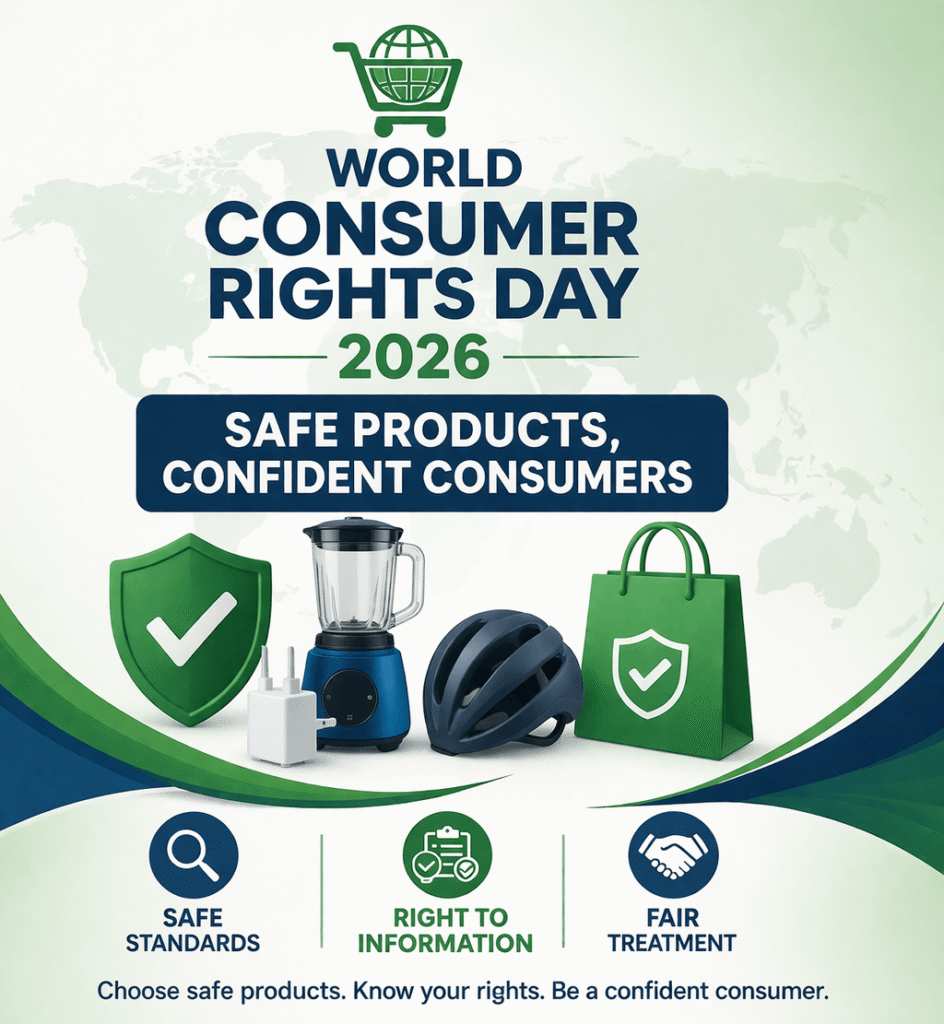
World Consumer Rights Day 2026 carries the theme “Safe Products, Confident Consumers”, chosen by Consumers International. This theme is not just timely but urgent. Unsafe and substandard products continue to circulate widely, especially online. A recent OECD review revealed that 87% of recalled or banned products were still available for purchase on digital platforms. This is alarming. It tells us that despite technological progress, consumers remain vulnerable to risks that should have been eliminated long ago. Product safety is not merely about compliance with standards; it is about justice and accountability. Unsafe goods cause injuries, waste resources, and erode trust. Vulnerable consumers in low‑income countries are disproportionately affected, making this both a development challenge and a rights issue. In 2026, the message is clear: safe products are the foundation of consumer rights, and without them, trust in the marketplace cannot exist. Unsafe Products: A Hidden Epidemic I often recall a case from my early advocacy days in India. A family purchased a branded electric iron from a local store. Within weeks, the product malfunctioned, causing a fire that damaged their home. The company initially refused responsibility, citing “consumer misuse.” It took months of pressure from consumer groups before compensation was offered. This anecdote illustrates a larger truth: unsafe products are not isolated incidents. They are systemic failures. From contaminated food and spurious and spurious or Not of Standard Quality (NSQ) medicines to faulty electronics and unsafe toys, consumers face risks daily. The rise of e‑commerce has amplified these risks, as online marketplaces often lack robust mechanisms to filter unsafe goods nor do they take the onus to assure quality and safety. Digital Platforms and Accountability The OECD’s finding that banned products remain online is a wake‑up call. Digital platforms have become the new marketplace, but accountability and transparency has not kept pace. In India, I have seen consumers receive spurious and NSQ medicines ordered online, or toys without safety certifications. These are not minor inconveniences — they are threats to life and health. Platforms must be held accountable. They cannot hide behind the excuse of being “intermediaries.” If they profit from consumer transactions, they must also bear responsibility for ensuring product safety. Governments must enforce stricter monitoring, and platforms must adopt transparent supply chain practices or told to close the marketplace. Product Safety as Public Health Unsafe products are not just consumer issues; they are public health hazards. Consider the case of contaminated baby food in Europe, which led to widespread recalls. Or closer home, the sale of spurious medicines in India’s informal markets. These incidents highlight how unsafe products can undermine entire health systems. When consumers lose confidence in product safety, they also lose confidence in institutions. This erosion of trust has long‑term consequences. It discourages innovation, weakens markets, and ultimately harms economic growth. Safe products are therefore not only a consumer right but a public health imperative. Personal Anecdote: The Power of Advocacy I remember working with a group of students in Delhi who discovered that a popular snack brand contained excessive levels of lead. The campaign, supported by consumer organizations forced regulators to act. The product was recalled, and new safety standards were introduced. This experience reinforced my belief that consumer advocacy works. When citizens demand accountability, corporations and regulators cannot ignore them. But advocacy requires awareness, organization, and persistence. It is not enough to complain; consumers must mobilize themselves strategically and be able to raise the resources to sustain campaign. Global Comparisons: Learning from Others The European Union has set high standards with its General Product Safety Regulation, ensuring that unsafe goods are swiftly removed from the market. The United States enforces product safety through agencies like the Consumer Product Safety Commission (CPSC). India has strong laws, but enforcement remains inconsistent due to lack of priority by the State Governments and organisations like Quality Council of India (QCI) and Bureau of Indian Standards. We must learn from these global examples. Aligning with international benchmarks will not only protect Indian consumers but also enhance India’s credibility in global trade. Safe products are essential for building consumer confidence in both domestic and international markets. The Role of Public Interest Litigation (PIL) In India, Public Interest Litigation (PIL) has been a powerful tool for advancing consumer rights. I recall a PIL filed against misleading advertisements in healthcare, which compelled regulators to tighten oversight. PILs have often filled the gap where enforcement was weak. However, PIL should not be the primary mechanism for consumer protection. Regulators must act proactively, not reactively. PIL is a catalyst, but strong institutions are the backbone of consumer rights. Consumers should not have to resort to litigation for basic protections. Corporate Responsibility Beyond Compliance Corporations must recognize that consumer trust is their most valuable asset. Beyond compliance, they should embed product safety into their business models. Transparent pricing, ethical marketing, and robust grievance redressal systems are not optional — they are essential and mandatory. I often tell business leaders: “Trust is the most valuable asset a company can build.” Companies that proactively protect consumer rights build long‑term loyalty and brand credibility. Those that exploit consumers face reputational damage and regulatory consequences. In today’s competitive market, responsibility is not just a legal obligation — it is a strategic advantage. As I lived in Jamshedpur for 43 years and worked closely with the TATAS, I fondly recall the value system they adopted towards their customers to keep the brand image intact. Emerging Risks: The Next Frontier Looking ahead, three emerging risks demand urgent attention: Digital Monopolies: Tech giants wield enormous influence, and without checks, consumers risk exploitation through opaque algorithms and monopolistic practices. Data Privacy: Consumers often have little control over how their information is used. Strong data protection laws are essential. Greenwashing: False sustainability claims mislead consumers who want to make ethical choices. This undermines both trust and genuine sustainability efforts. India must prepare now with strong laws, vigilant regulators, and empowered consumers. These risks are global, but their impact on vulnerable populations in developing countries is particularly severe.Building Consumer Confidence: A Call to Action On this World
90% of banned or recalled products are being sold on digital platforms Read More »