
PM Modi’s Call for Safe, Indigenous Toys
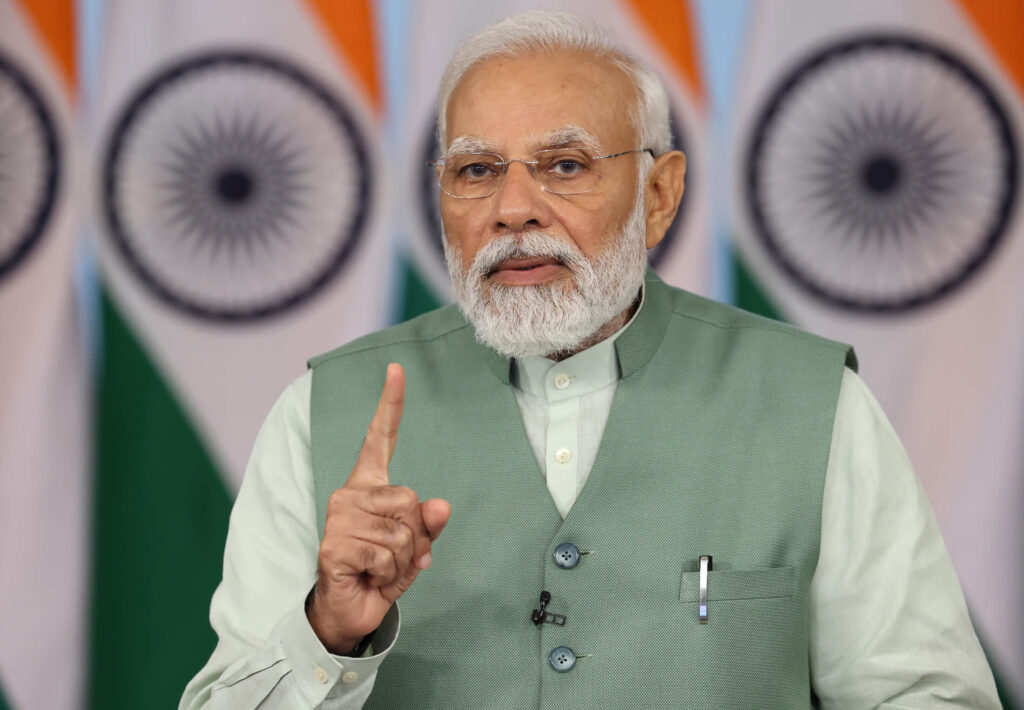
At the India Toy Fair 2021, Prime Minister Narendra Modi urged manufacturers to “make toys that are better for ecology and psychology,” stressing the need for eco-friendly materials, innovation, and self-reliance. He reminded the nation that toys are not trivial—they shape childhood imagination and national identity. In his Independence Day 2024 address, he reiterated that India must not depend on unsafe imports, calling for an Aatmanirbhar Bharat in toys.
Yet, despite these warnings, India’s toy market remains dangerously unregulated. Raids, recalls, and seizures continue to expose lead-laden, chemically hazardous, and mechanically unsafe toys flooding shelves and online platforms.
The Reality: Unsafe Toys Everywhere

Recent enforcement actions reveal the scale of the crisis. Toys with excessive lead, phthalates, and explosion-prone batteries have been confiscated across India. Many were imported illegally, while others were domestically produced with recycled plastics and uncertified dyes.
Parents, often lured by low prices, unknowingly expose children to hidden toxins. The result is a silent public health emergency: lead poisoning, hormonal disruption, and fire hazards—all wrapped in bright packaging.
Raids and Recalls (2023–2025)
| Year | Location | Action Taken | Hazard Identified | Outcome |
| 2023 | Nhava Sheva Port (Mumbai) | Customs seizure of Chinese toy consignments | Lead paint, phthalates | Thousands of toys destroyed; importers fined |
| 2024 | Bengaluru & Chennai | Product recalls of battery-operated toys | Exploding lithium cells | Toys pulled from shelves; BIS issued safety alert |
| 2024 | Delhi NCR | Market raids on local shops | Uncertified plastic dolls, choking hazards | Hundreds of toys confiscated; traders penalized |
| 2025 | Mumbai & Pune | Raids on wholesale warehouses | Excessive lead, toxic dyes | Large consignments seized; criminal cases filed |
| 2025 | Online marketplaces | Crackdown on uncertified imports | No BIS certification, chemical hazards | Listings removed; platforms warned of liability |
Why the Market Is Vulnerable

India’s toy sector suffers from weak enforcement of BIS standards, consumer ignorance, and e-commerce loopholes. While BIS certification is mandatory, enforcement is patchy. Small traders bypass rules, importing toys without safety checks. Online platforms, meanwhile, are flooded with uncertified toys shipped directly from overseas sellers.
Even domestic manufacturers cut corners, using recycled plastics and uncertified dyes to lower costs. The result is a market where unsafe toys are not the exception but the norm.
The Consumer Cost

Unsafe toys are not just a regulatory issue—they are a public health crisis. Lead poisoning can cause irreversible brain damage, phthalates disrupt hormones, and faulty batteries pose fire hazards. Children, the most vulnerable consumers, are being exposed daily to risks hidden inside brightly coloured playthings.
The World Health Organization has repeatedly warned that no level of lead exposure is safe for children. Yet raids in India continue to uncover toys with lead levels far above permissible limits.
Modi’s Vision vs. Market Reality

Prime Minister Modi’s speeches have consistently highlighted toys as a sector where India can combine cultural heritage with modern innovation. He has called for toys that reflect India’s traditions, use eco-friendly materials, and meet global safety standards.
But the reality is starkly different. The market is flooded with cheap imports that undermine both consumer trust and national pride. Domestic manufacturers, instead of rising to the challenge, often cut corners to compete on price. The gap between vision and reality is widening.
What Needs to Change

India must act decisively:
- Stricter Enforcement: Customs and state regulators must intensify raids and impose heavy penalties on violators.
- Consumer Awareness Campaigns: Parents must be educated to check for ISI/BIS marks and avoid suspiciously cheap imports.
- Industry Accountability: Domestic manufacturers must invest in safe, eco-friendly materials, aligning with Modi’s vision of an Aatmanirbhar Bharat toy industry.
- E-commerce Regulation: Platforms must be held liable for selling uncertified toys, with mandatory compliance checks.
Call to Action

India’s toy industry sits at a crossroads. On one side lies Prime Minister Modi’s vision of a self-reliant, eco-friendly sector that safeguards children. On the other lies the grim reality of toxic imports and unsafe domestic products flooding the market.
The choice is stark: either India enforces its standards and protects its youngest citizens, or it risks turning playtime into a silent health hazard. For consumers, vigilance is the first line of defence. For regulators, decisive enforcement is overdue.
A good toy should spark imagination—not endanger life. India must act now to ensure that every toy in a child’s hand is safe, sustainable, and proudly made to protect the future.

| 5 Things Parents Must Check Before Buying a Toy |
| 1. Look for the BIS/ISI Mark Always check if the toy carries the Bureau of Indian Standards (BIS) certification. This mark ensures the toy has passed safety tests for chemicals, choking hazards, and mechanical risks. |
| 2. Avoid Suspiciously Cheap Imports If the price seems too good to be true, it probably is. Ultra-cheap toys often bypass safety standards and may contain toxic paints, recycled plastics, or faulty batteries. |
| 3. Check Labels and Packaging Read the packaging carefully. Safe toys should list the manufacturer’s details, age-appropriateness, and safety warnings. Avoid toys with missing or vague labels. |
| 4. Be Wary of Online Marketplaces Many uncertified toys slip through e-commerce platforms. Buy only from trusted sellers and check product reviews. If the toy lacks BIS certification, don’t add it to your cart. |
| 5. Inspect Before Play Before handing a toy to your child, inspect it for sharp edges, loose parts, or strong chemical smells. If it looks flimsy or smells of chemicals, it’s not safe. |