
The Hidden Fat in Your Favourite Snacks
Palm oil has become ubiquitous in India’s processed food industry, often disguised under vague labeling like “vegetable oil” or “blended edible oil.” This ingredient has fundamentally altered food manufacturing economics while raising significant health and environmental concerns.
Why Manufacturers Prefer Palm Oil
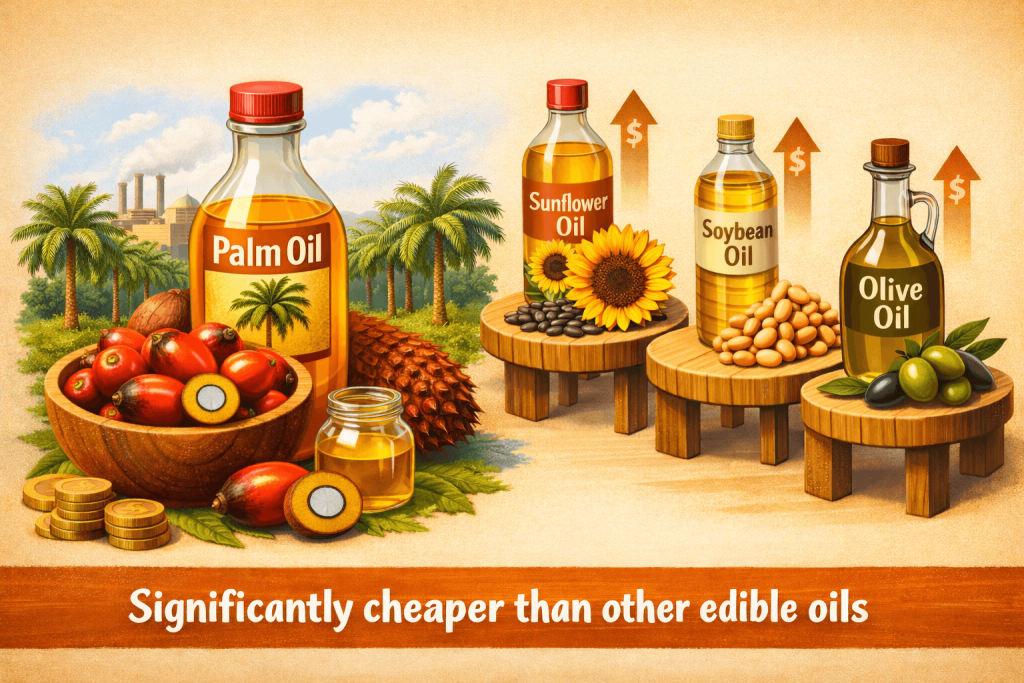
Manufacturers favor palm oil for three primary reasons: cost efficiency, extended shelf life, and desirable texture properties. Its high oxidative stability means products stay fresh longer, while it simultaneously helps maintain profit margins through affordability. Indonesia and Malaysia supply India’s imports at competitive prices.
Health Implications
Palm oil contains approximately 50% saturated fat, primarily palmitic acid, linked to elevated LDL cholesterol. The genuine danger emerges with repeatedly heated oil, which generates trans fats and aldehydes causing inflammation and cardiovascular harm. Small-scale Indian snack manufacturers frequently reuse frying oil, magnifying these risks substantially.
Common Product Applications
Chips, namkeen, instant noodles, and biscuits all rely heavily on palm oil. It serves as the frying medium, provides texture in pre-fried noodle blocks, and replaces costlier ingredients like butter in biscuits. Each product delivers several grams of palm oil-derived fat, contributing to obesity and heart disease prevalence.
Environmental Concerns
Palm oil cultivation has driven deforestation across Indonesia and Malaysia, destroying habitats for endangered species including orangutans and Sumatran tigers. Less than one-fifth of India’s imports meet sustainable certification standards (RSPO).
How to Spot Palm Oil on Labels
- Palm oil / Palmolein
- Hydrogenated vegetable fat
- Vegetable oil blend
- Palm kernel oil
- Edible vegetable oil (unspecified)
While palm oil enables affordable food for millions, it simultaneously contributes to lifestyle diseases and environmental degradation. The challenge involves wise usage, strict regulation, and consumer education rather than outright prohibition.