
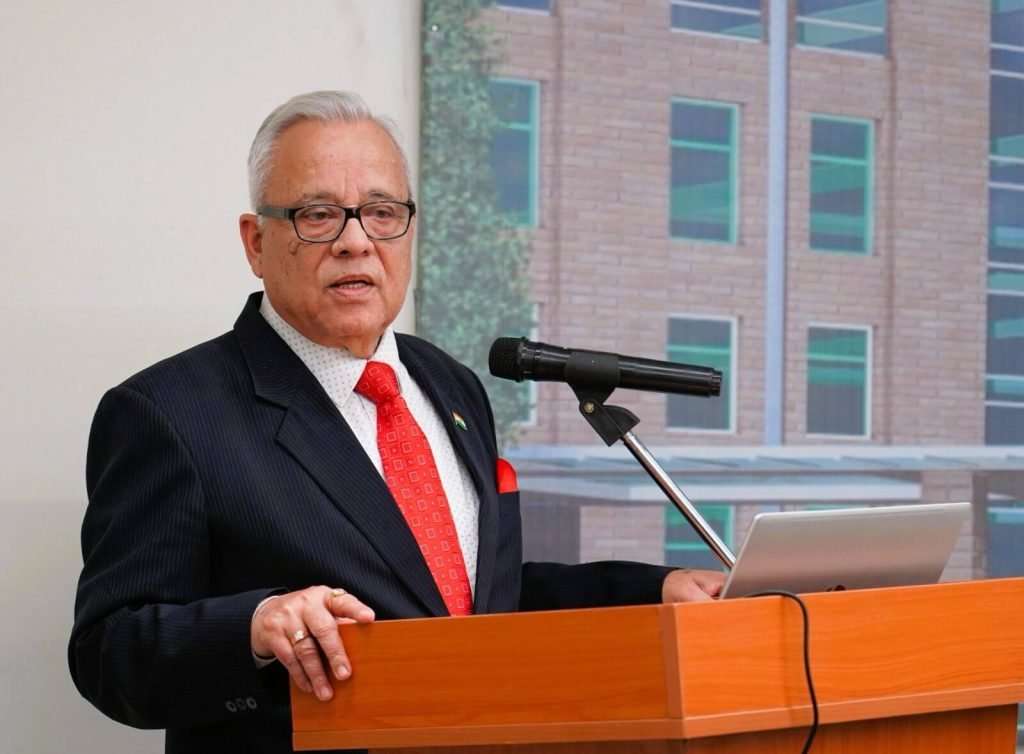
Bejon Misra
Internationally Recognised Consumer Policy Expert
Telecom services are an essential lifeline for India's 1.1 billion mobile subscribers, yet consumers continue to face persistent challenges – from call drops and poor internet speeds to opaque billing and harassment by spam calls.
These problems persist because regulatory oversight on Quality of Service has been piecemeal and reactive. Operators comply with directives on paper but fail in practice, and enforcement mechanisms lack teeth. We need a shift from compliance-based to consumer-centric regulation – where service quality, transparency, and grievance resolution are measured and published regularly.
The call drop crisis stems from overloaded networks, inadequate tower density, and spectrum congestion. Operators have expanded subscriber bases aggressively without matching infrastructure investment, simply to enrich themselves. The solution lies in stricter monitoring, mandatory infrastructure sharing, and faster 5G rollout. Consumers must be empowered with transparent data on call drop rates by operator and region.
India's internet speeds lag because of structural neglect. Fibre penetration is uneven, backhaul capacity limited, and rural areas chronically underserved. Operators prioritize urban markets. The gap between advertised speeds and actual speeds is a clear case of consumer deception. Every consumer pays 10% of their bill toward the USO Fund, yet we never learn how that money is used.
Billing disputes are the single biggest consumer grievance in telecom. Hidden fees, tariff misapplications, and charges for unused services erode trust. Regulators must enforce real-time billing alerts, independent audits, and strict penalties for misbilling. Transparency is the foundation of consumer trust.
Spam calls are daily harassment for subscribers. The Do Not Disturb registry was a step forward, but enforcement against unregistered telemarketers remains weak. Regulators must adopt zero-tolerance – leveraging AI-based spam detection, imposing stricter penalties, and collaborating with law enforcement. Lasting relief will only come when spam is treated as a violation of consumer rights.
Customer service is the weakest link in India's telecom ecosystem. This is not just an inconvenience – it is a denial of consumer rights. Operators must move beyond call centers to multi-channel grievance systems: apps, online dashboards, and independent ombudsman services. Regulators should enforce strict timelines and publish operator-wise performance scorecards.