
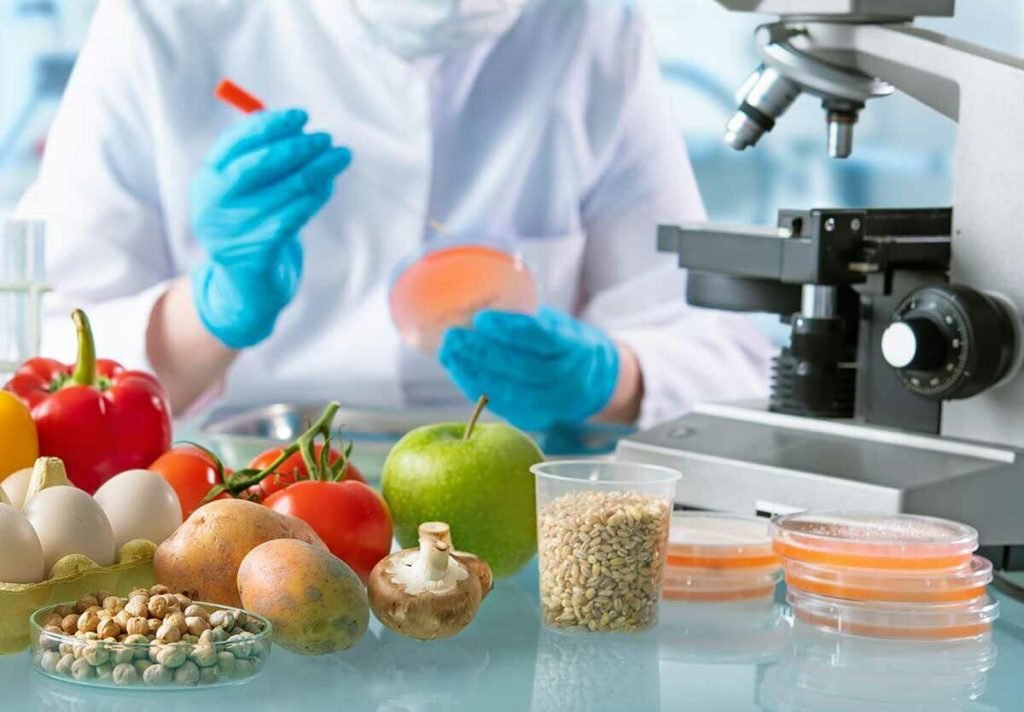
A Silent Crisis on Every Indian Table
Millions of Indians consume milk, cereal, and tea daily as a ritual of nourishment and trust. Yet food meant to sustain the nation is increasingly being weaponized by greed. From fake paneer made with sulphuric acid to festive sweets containing carcinogenic dyes, food adulteration is a systemic public health crisis violating Article 21 rights.
WHO statistics show 600 million annual foodborne illness cases globally with 420,000 deaths.
The Scale of a Shadow Industry
During 2024-25, over 170,000 food samples tested by authorities showed nearly one-third of samples in several states were non-compliant. Modern adulteration has evolved beyond simple water dilution, becoming a multi-billion-dollar shadow industry involving synthetic milk, mislabeled palm oil, and neurotoxic brighteners on vegetables.
A Poison for Every Season
- Festive periods see fake dairy products surge during Diwali, Holi, and Eid
- Summer months bring synthetic colors and contaminated beverages causing typhoid and hepatitis
- Monsoon season involves antibiotics and formaldehyde extending shelf-life artificially
- Daily consumption includes turmeric laced with lead chromate and honey mixed with sugar syrup
Why the System Stutters: The Enforcement Gap
Three critical failures undermine the Food Safety and Standards Act of 2006:
- Resource shortage: Food safety receives roughly 0.02% of the health budget, leaving many districts with just one Food Safety Officer
- Weak penalties: Fines function as business costs rather than deterrents; license cancellations remain rare
- Unorganized sector gaps: Millions of micro-entrepreneurs operate outside regulatory reach
The 2026 Reforms: A Double-Edged Sword
Recent government initiatives introduced Perpetual Validity for licenses, eliminating renewal reviews. Simultaneously, the Risk-Based Inspection System prioritizes high-risk categories like dairy and infant food for frequent audits while reducing scrutiny of lower-risk businesses.
Technology: The Final Frontier
- Food Safety on Wheels: Over 350 mobile testing labs operate across India, though the author advocates for 7,323 units nationally
- Digital traceability: QR-code systems for high-risk items like oils and honey
- DART initiative: Consumer-accessible rapid testing kits enabling household detection of adulterants
The Path Forward: A Multi-Pronged Strategy
- Indexing fines to company turnover with imprisonment for hazardous substance use
- Tripling Food Safety Officers and upgrading laboratories
- Incentivizing compliance through certification programs
- Empowering consumers as food auditors through label checking and FSSAI utilization
Food adulteration operates as a silent killer with long-term health consequences including renal failure and cancer. Safe food must be recognized and enforced as a non-negotiable fundamental right.