
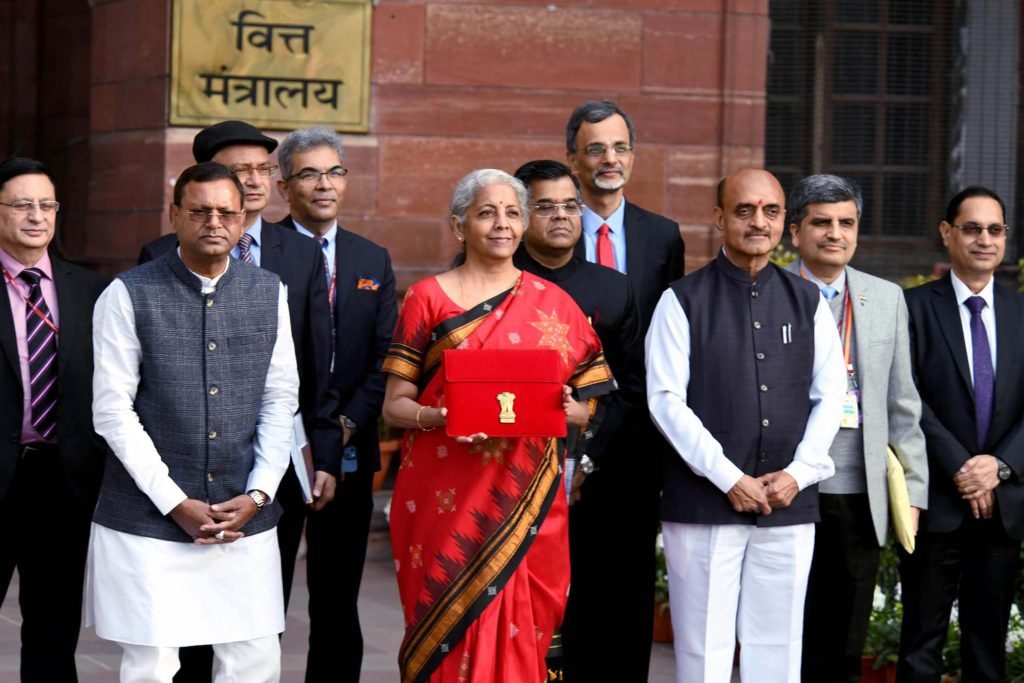
Why the Budget Must Put Consumers First
Private consumption drives nearly 60% of GDP, yet consumer representatives are rarely consulted during budget preparation. India’s budget framework should prioritize consumer welfare as the foundation of economic growth.
Taxation Concerns
Income tax structures fail to account for inflation, effectively penalizing wage earners. A modest annual increment often pushes them into a higher tax bracket, even though their real income has barely grown. Recommendations include indexing tax slabs to inflation and simplifying compliance requirements.
Affordability Issues
Rising costs in food, fuel, healthcare, and education strain household budgets disproportionately. Growth is meaningless if families feel squeezed at the kitchen table. GST rationalization on essentials and robust price monitoring mechanisms are needed.
Housing Crisis
Affordable housing momentum has stalled, leaving first-time buyers stranded. Enhanced loan deductions and buyer protections against unfair practices are essential, framing homes as necessities rather than speculative assets.
Gig Economy Workers
Millions working in informal sectors lack social security coverage. Flexibility should not mean fragility. Health insurance, accident cover, and pensions must extend to gig workers with uniform minimum wage structures.
Rural Consumers
Rural demand anchors India’s consumption patterns, yet rural populations are treated as passive beneficiaries rather than active stakeholders. Dedicated 24/7 consumer helplines, fair agricultural pricing, and affordable credit access are needed.
Market Regulation
Hidden charges and poor grievance redressal across telecom, aviation, insurance, and healthcare sectors undermine consumer trust. Strengthened regulatory frameworks and deterrent penalties for unfair practices are essential.
The Union Budget is a social contract. A consumer-focused approach ensures fairness and affordability while recognizing that sustained economic growth depends on household confidence and purchasing power.